
Touring and highway tires explained
Touring tires optimize for the things drivers actually notice every day: cabin noise, ride comfort over broken pavement, and how many miles the set lasts. Manufacturers achieve this with harder compounds, tuned tread pitch sequences that break up noise frequencies, and construction that absorbs impact rather than transmitting it. If your driving is commuting and road trips, this is the right category.
- Season
- Three-season or all-season depending on model
- Temperature
- Model dependent
- Best for
- Commuters, highway drivers, and family sedans
Strengths
- The quietest tires on the market
- Longest treadlife warranties, often 80,000+ miles
- Comfortable over expansion joints and rough asphalt
- Low rolling resistance improves fuel economy
Trade-offs
- Less cornering grip than performance tires
- Harder compounds reduce cold-weather bite
- Not intended for spirited driving or track use
Buy these if
- You drive mostly highway miles
- Cabin noise and ride quality are priorities
- You want the lowest cost per mile
Our top-rated touring & highway tires
Scored on dry grip, wet grip, treadwear, ride and value.
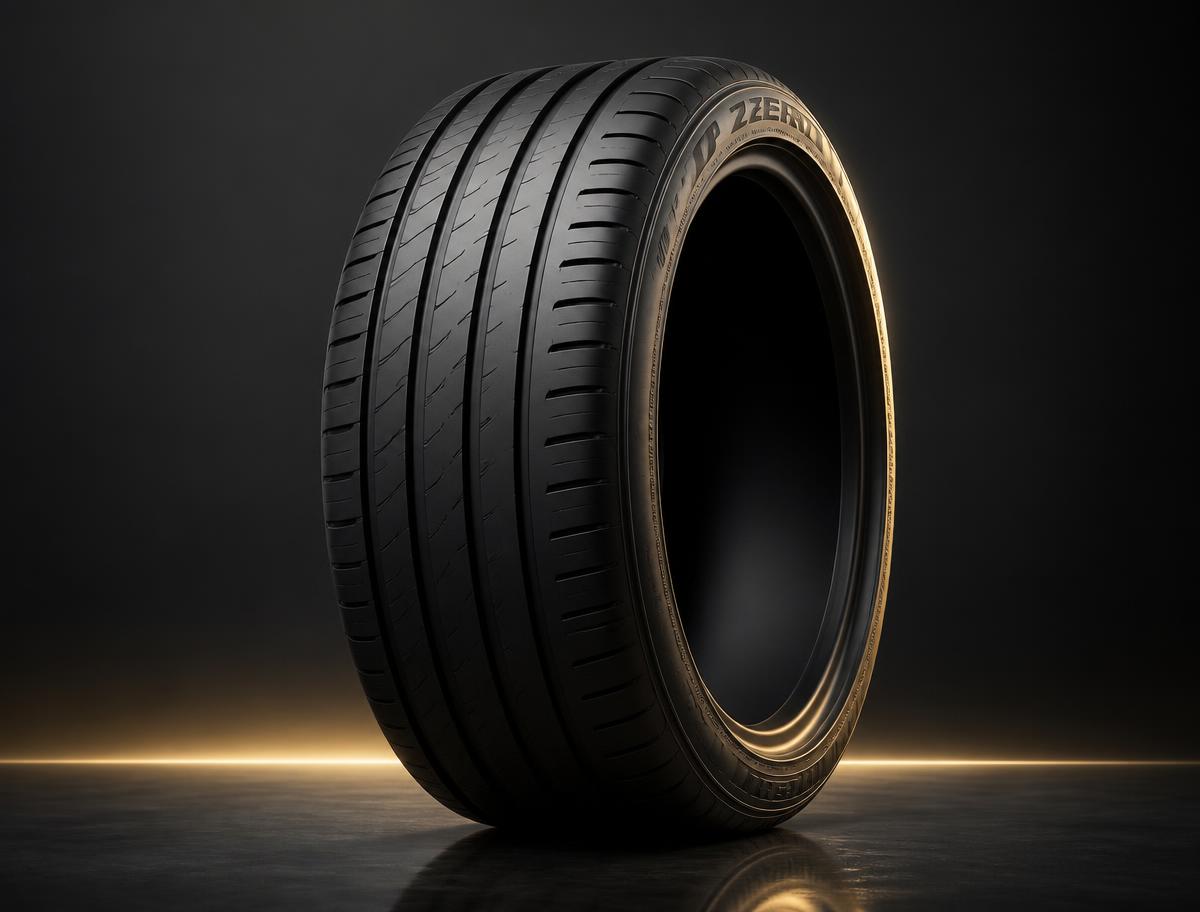 Touring
Michelin Defender 2
Michelin
The longevity and comfort champion for commuters — a quiet, long-lasting touring tire with class-leading tread life.
TouringContinental TerrainContact H/T
Continental
The refined highway-touring pick for SUVs and crossovers — quiet, comfortable, and composed on long road trips.
Touring & Highway Tires: common questions
What is the difference between touring and grand touring?
Grand touring tires add a higher speed rating and more responsive handling to the touring formula, usually at a small cost in treadlife. They suit sport sedans and premium crossovers.
Do touring tires improve fuel economy?
Yes, modestly. Low-rolling-resistance touring compounds can improve economy by roughly 1-3% compared with an aggressive all-terrain or performance tire of the same size.