
Summer performance tires explained
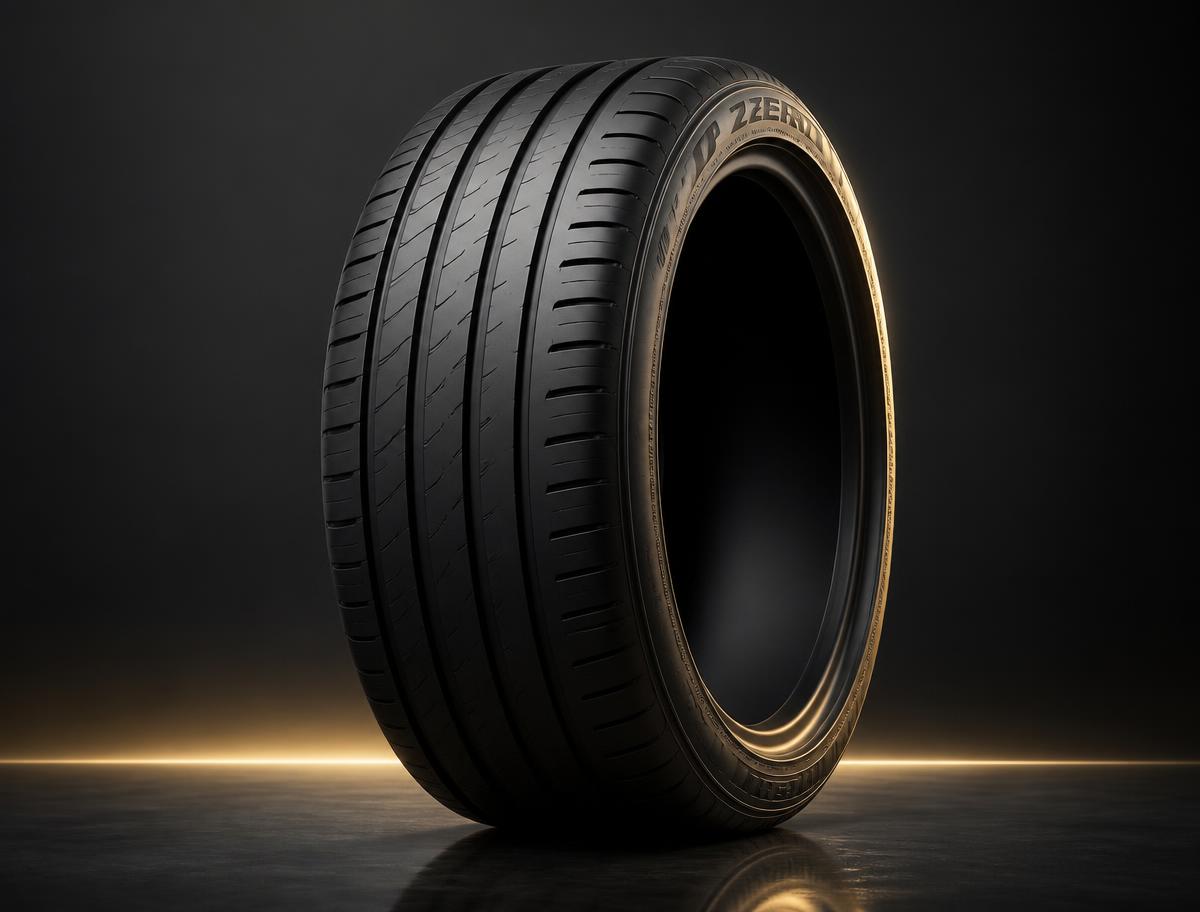
A summer tire commits fully to warm-weather grip. The compound is soft and sticky, the tread has fewer, larger blocks for a bigger contact patch, and the construction is stiff enough to keep the tread flat under cornering load. On a warm road the difference in steering precision and braking distance versus an all-season is immediately obvious — and in the cold, the same compound turns hard and genuinely unsafe.
- Season
- Spring through fall
- Temperature
- Only above 7°C / 45°F
- Best for
- Sports cars, sport sedans, and track days
Strengths
- Shortest dry and warm-wet braking distances available
- Sharp turn-in and predictable limit behavior
- Rigid construction resists heat build-up on track
Trade-offs
- Unsafe below roughly 7°C — grip falls off a cliff
- Treadlife often half that of a touring tire
- Firmer ride and more road noise
Buy these if
- You drive a performance car and store or swap for winter
- You attend track days or autocross
- You value steering feel over treadlife
Our top-rated summer & performance tires
Scored on dry grip, wet grip, treadwear, ride and value.
Summer & Performance Tires: common questions
Can I drive summer tires in winter?
No. Below about 7°C the compound stiffens and loses grip even on dry pavement, and on snow it is dangerous. Swap to winter or all-season tires before the cold sets in.
How long do summer performance tires last?
Typically 20,000 to 35,000 miles depending on compound and driving style. Ultra-high-performance and track-focused compounds can wear out in a single hard season.